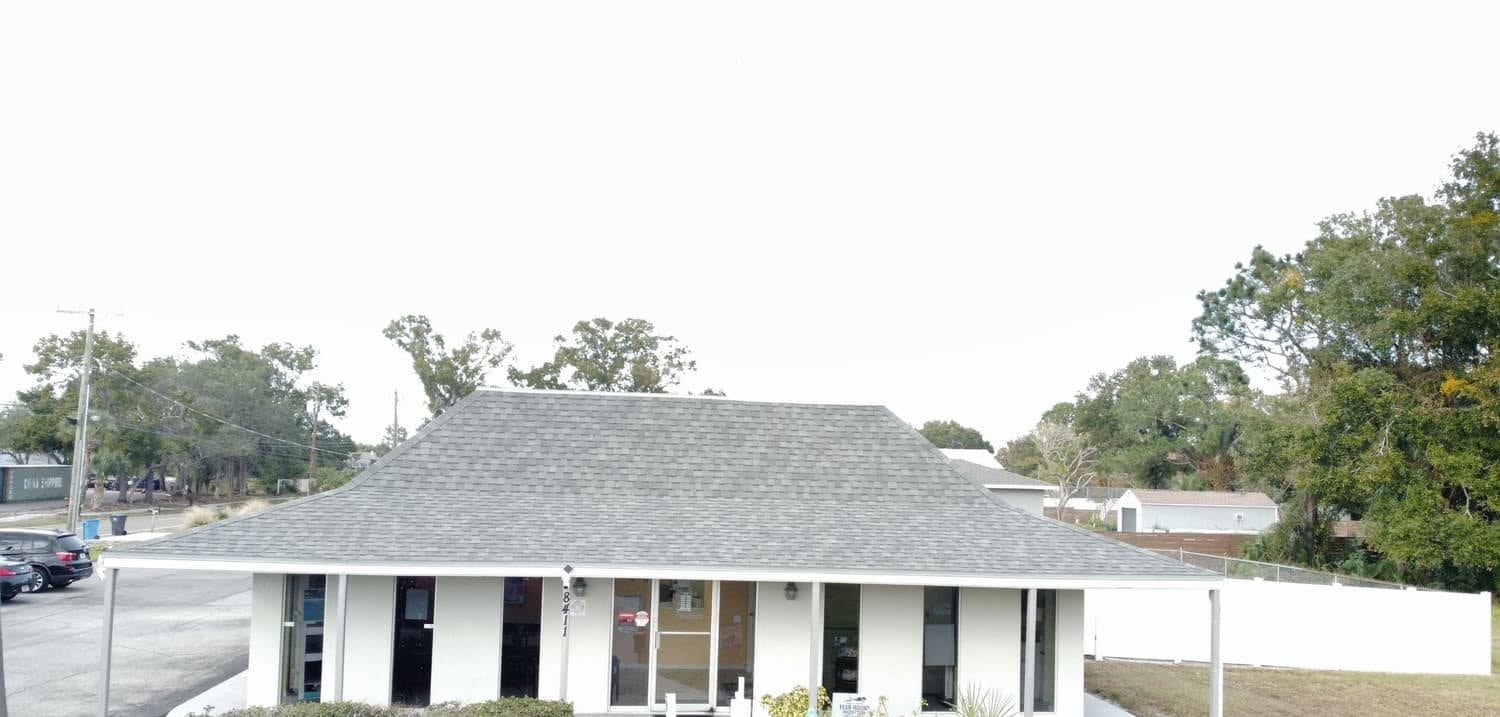
Class 4 Impact-Rated Shingles & Your Florida Insurance Discount
Class 4 impact-rated shingles meet UL 2218 and may qualify Florida homeowners for an insurance premium discount with some carriers. Here is how they work, cost, and payback.
- Class 4 is the top impact rating under the UL 2218 standard, the highest of four levels for how a shingle holds up to impact from a steel ball drop test.
- Some Florida carriers offer a premium discount for a roof built with Class 4 impact-rated shingles, but it is never automatic. Ask your insurer what they require and what documentation they accept.
- Class 4 shingles usually cost more up front, often a few thousand dollars more on a typical Tampa Bay home, so the payback depends on your discount, your roof size, and how long you keep the home.
- The shingle is only part of the system. Florida wind performance comes from the full assembly: proper nailing, sealed deck, and code-compliant install, not the shingle label alone.
Class 4 shingles are asphalt shingles that earn the highest impact rating under the UL 2218 standard. In testing, a steel ball is dropped on them from a set height and the shingle must show no cracking on the back. In Florida, a Class 4 roof may qualify you for an insurance premium discount with some carriers, so ask your insurer.
That is the short answer. The longer answer is where the real money lives, because the up front cost, the discount, and your roof size all decide whether Class 4 actually pays off for your home.
We are working roofers here in Tampa Bay, not an insurance company, so this is plain education. Below we walk through what the rating actually means, how these shingles behave in our wind and debris, and how to think about cost versus payback before you sign anything.
What “Class 4” actually means (UL 2218)
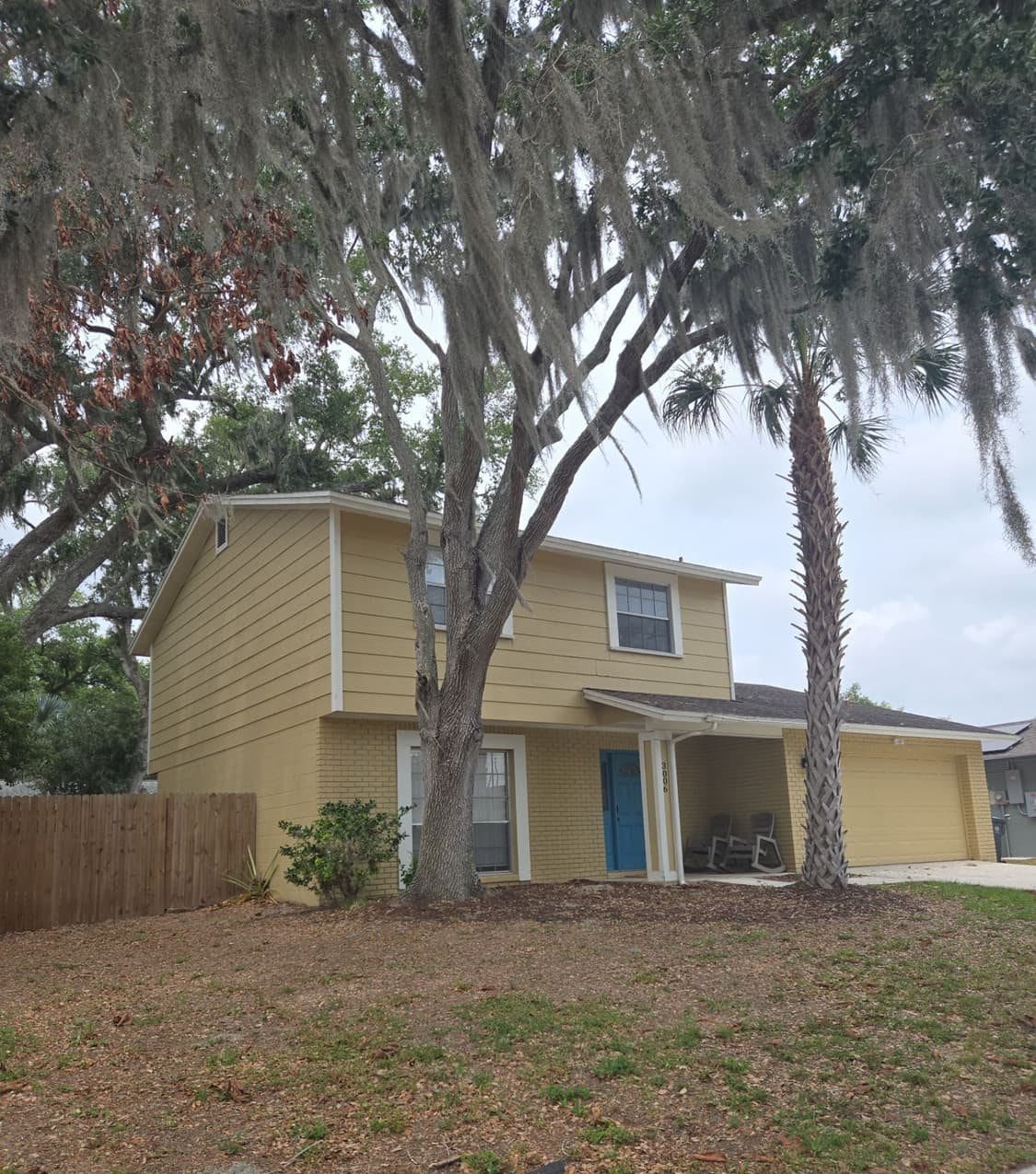
Class 4 is the top tier of an impact-resistance test called UL 2218. There are four classes, 1 through 4, and the higher the number, the more impact the shingle resisted in the lab.
Here is how the test works in plain terms. A steel ball is dropped onto the shingle from a measured height, and then the back of the shingle is checked for cracks or splits. For Class 4, the highest rating, a 2 inch steel ball is dropped from 20 feet. If the mat on the back does not crack, the shingle passes.
A few honest points most ads skip:
- UL 2218 is an impact test (think hail and flying debris). It is not the same as a wind rating. Those are two different things, and both matter in Florida.
- The rating belongs to the shingle product, confirmed by the manufacturer. It does not certify your specific roof or your installation.
- “Impact resistant” does not mean “impact proof.” A bad enough storm can still damage a Class 4 roof. The rating tells you it performed better in a controlled test, not that it is invincible.
How Class 4 shingles hold up in Florida wind and debris
Florida does not see much true hail compared to the Midwest, so people ask us a fair question: why would a Tampa Bay homeowner care about an impact rating?
Because our storms throw debris. In a hurricane or a strong summer squall, the things that hit your roof are tree limbs, lifted shingles from a neighbor’s house, roof tiles, fence pieces, and gravel off other roofs. A more impact-resistant shingle gives you a better shot at coming through with fewer punctures and bruises.
There is also a heat and age angle. Many Class 4 shingles use a tougher, more flexible mat (often a polymer-modified or SBS asphalt) that tends to stay pliable longer in our heat instead of getting brittle. A shingle that stays flexible resists cracking better as it ages on a hot Tampa roof.
But here is the part we will not let you miss: the shingle is one piece of the system. Your roof’s real-world wind performance comes from the full assembly working together:
- The right number of nails, placed in the nailing zone, driven flush
- A properly sealed or peel-and-stick underlayment / sealed roof deck
- Code-compliant flashing, drip edge, and edge metal
- Installation that meets the current Florida Building Code for your wind zone
A Class 4 shingle nailed wrong is still a roof nailed wrong. The label does not save a bad install, which is why our shingle roofing installation follows the full code-compliant assembly above, not just the product label.
The insurance discount: how it really works in Florida
This is the question everyone calls about, so let us be clear and careful.
A roof built with Class 4 impact-rated shingles may qualify you for a premium discount with some carriers. It is not guaranteed, it is not automatic, and it is not the same with every insurer. Ask your insurance company what they offer and what they require before you assume anything.
We are roofers, not your insurer. We do not set discounts, we do not promise them, and coverage decisions are made by you and your carrier. What we can do is education and insurance documentation support: we can tell you what product is going on your roof and provide the paperwork from the install.
When homeowners ask their carrier, these are the things insurers commonly look at:
- Proof the shingle is actually Class 4. Carriers usually want manufacturer documentation showing the product meets UL 2218 Class 4.
- A wind mitigation inspection. In Florida this is huge. A licensed inspector fills out the standard uniform mitigation verification (OIR-B1-1802) form during a wind mitigation inspection. Features like a sealed roof deck, the nailing pattern, and roof-to-wall connections can affect your premium, sometimes more than the shingle itself.
- The age and permit record of the roof. A new, permitted roof is its own factor.
Bottom line: the shingle may help, but in Florida the wind mitigation inspection is often where the real premium savings show up. Get the inspection, then ask your insurer how a Class 4 roof factors in for them.
We will hand you the documentation. We will not file, negotiate, or handle anything with your insurance company. That is between you and your carrier.
Cost versus payback: is Class 4 worth it?
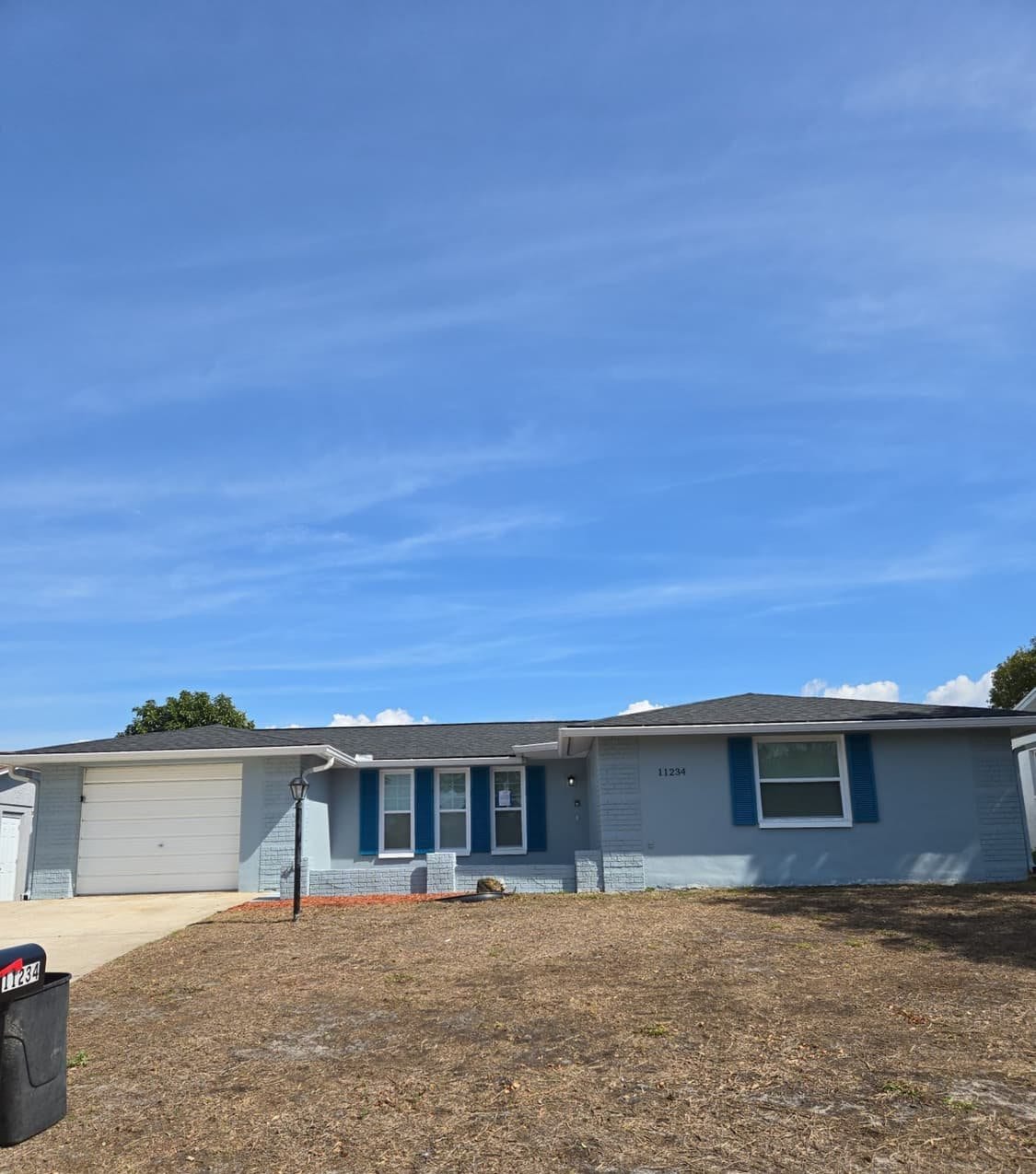
Class 4 shingles cost more up front than standard architectural shingles. The exact number depends on the brand, your roof size, and the complexity of your roof, but as a rough planning figure most homeowners are looking at a few thousand dollars more on a typical single-family Tampa Bay home. Treat that as a ballpark, not a quote. We price every roof replacement in Tampa on the actual measurements.
Here is the honest way to think about whether it pays off:
- Your potential discount. Call your carrier and ask, in dollars, what a Class 4 roof might save you per year. A small percentage off a modest premium adds up slowly. A larger discount on a high Florida premium adds up faster.
- How long you will keep the home. Payback is just the upgrade cost divided by your yearly savings. If the upgrade costs a few thousand and you save a few hundred a year, you are looking at several years to break even, and only if you stay in the home that long.
- The value beyond the discount. Better debris resistance and a longer-lasting shingle have real worth in our climate even if your specific carrier offers little or no discount. Some homeowners buy Class 4 mostly for the durability and treat any insurance savings as a bonus.
What we tell our own neighbors: do not buy Class 4 only for an insurance discount you have not confirmed. Confirm the discount with your carrier first, weigh it against the durability, then decide. If the numbers do not work for your situation, a quality standard architectural shingle installed to code is still a strong Florida roof.
How to verify a roof is truly Class 4
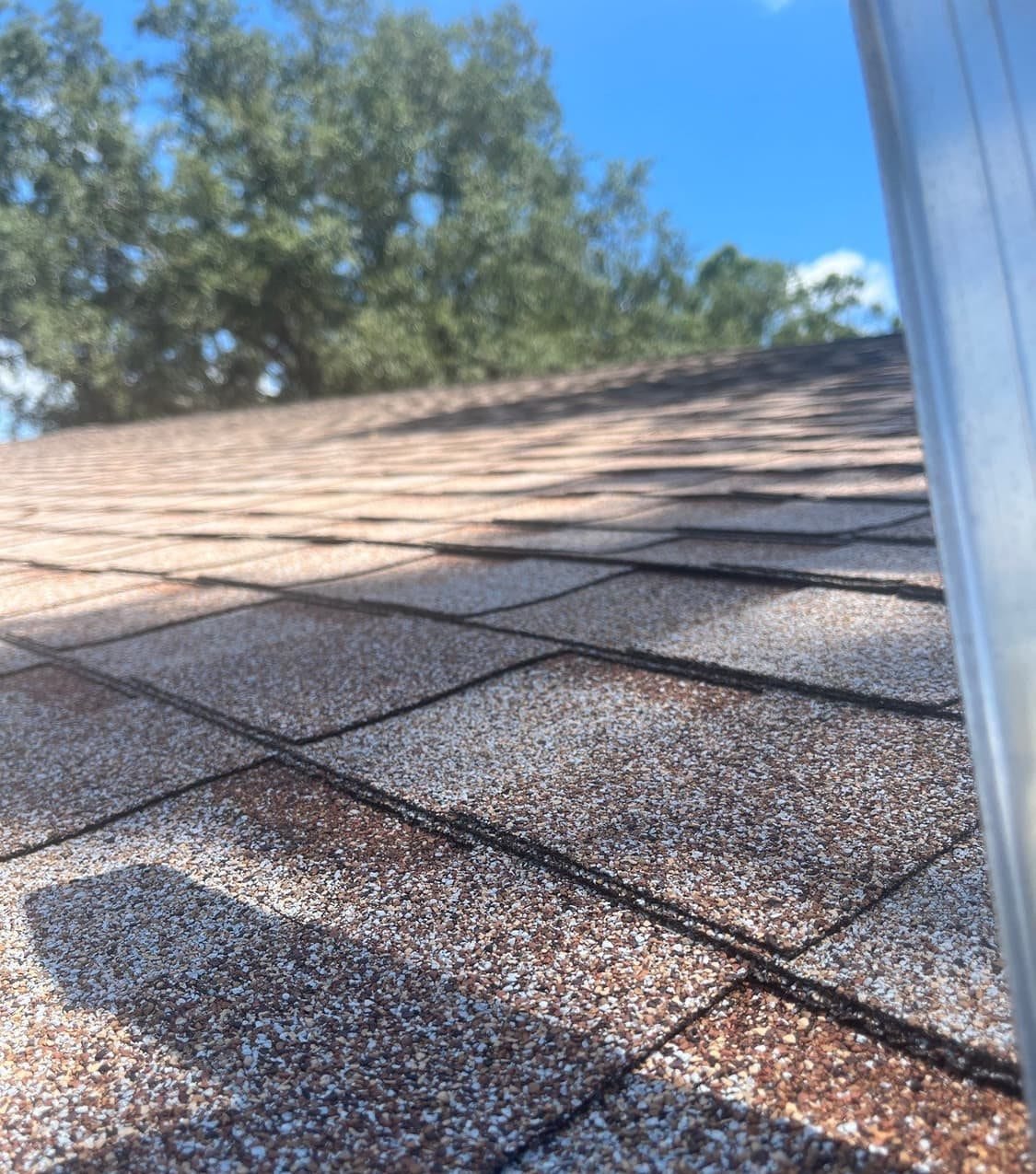
If you are paying extra for an impact rating, make sure you are actually getting it. A few simple checks protect you:
- Get the product on paper. Your contract and estimate should name the specific shingle product and line, not just “impact resistant shingles.” Vague wording is a red flag.
- Ask for the manufacturer’s UL 2218 Class 4 documentation. Reputable shingle makers publish this. We are glad to show you the product data for what is going on your roof.
- Keep your permit and final inspection records. In our area roofs are permitted and inspected. Those records matter to your insurer and to a future buyer.
- Save everything in one folder. Product documentation, the permit, the final inspection, and your wind mitigation inspection form. When you call your carrier, you want it all in one place.
We are licensed in Florida (license CCC1334243), we are family-run, and we put the real product details in writing. If another roofer will not tell you exactly which shingle they are installing, ask why.
Class 4 impact-rated shingles are a genuine upgrade for a Florida roof. They resist debris better, many hold up better in our heat over time, and a Class 4 roof may qualify you for a premium discount with some carriers. The catch is that none of that is automatic, and the math only works if you confirm the numbers for your own home.
So do it in this order: ask your insurer what they offer and require, get a wind mitigation inspection, then weigh the up front cost against your confirmed savings and how long you plan to stay. We are happy to walk your roof, show you the exact product, and hand you the documentation you need. We do not file, negotiate, or handle claims. That stays between you and your carrier.
If you are in Hillsborough, Pinellas, Pasco, Sarasota, Manatee, or Polk and want a straight answer on whether Class 4 makes sense for your roof, reach out to The Integrity Roofing Team. We will give it to you straight, the way we would tell a neighbor.
Frequently Asked Questions
Are Class 4 shingles required by the Florida Building Code?+
No. The Florida Building Code sets wind and installation requirements for your area, but it does not require Class 4 impact-rated shingles. Class 4 is an optional upgrade based on the UL 2218 impact test. A standard architectural shingle installed to code is still a code-compliant Florida roof. Class 4 is a choice you make for added debris resistance and a possible insurance benefit.
Will Class 4 shingles definitely lower my Florida insurance premium?+
Not necessarily. A Class 4 roof may qualify you for a premium discount with some carriers, but it is never guaranteed or automatic, and it varies by insurer. You have to ask your own insurance company what they offer and what documentation they require. We are roofers, not your insurer, so we provide education and product documentation only. Coverage and pricing decisions are made by you and your carrier.
What is the difference between an impact rating and a wind rating?+
They measure two different things. The UL 2218 impact rating (Class 1 to 4) tests how the shingle resists impact from things like hail and flying debris. A wind rating measures how the shingle and assembly resist being lifted or torn off in high wind. In Florida, both matter, and your roof's real wind performance also depends on nailing, underlayment, and a code-compliant install, not just the shingle.
Does a wind mitigation inspection matter more than the shingle for my premium?+
Often, yes. In Florida the uniform wind mitigation inspection (the OIR-B1-1802 form) looks at features like a sealed roof deck, the nailing pattern, and roof-to-wall connections, and those can affect your premium significantly. A Class 4 shingle may add to the picture with some carriers, but the inspection is frequently where the bigger savings show up. Get the inspection and ask your insurer how everything factors in.
How much more do Class 4 shingles cost in the Tampa Bay area?+
As a rough planning figure, most homeowners on a typical single-family Tampa Bay home are looking at a few thousand dollars more than standard architectural shingles. The real number depends on your roof size, pitch, complexity, and the product line. Treat any figure online as a ballpark, not a quote. We price every roof on the actual measurements before giving you a number.
How do I prove my roof is actually Class 4?+
Ask for it in writing. Your estimate and contract should name the specific shingle product, and the manufacturer should provide UL 2218 Class 4 documentation for that product. Keep that paperwork along with your permit, final inspection, and wind mitigation inspection form in one folder. When you call your carrier, you will want all of it together. If a roofer will not name the exact shingle, ask why.
Want a real estimate on your Tampa Bay roof?
Enter your address and we'll pull satellite measurements instantly.
The Integrity Roofing Team · Florida Roofing Experts · Licensed & Insured
The Integrity Roofing of Florida team installs and repairs tile, metal, and shingle roofs across Tampa Bay. With decades of combined field experience, we've helped homeowners navigate hurricane-damage documentation, material choices, and the gap between what's marketed and what actually holds up in Florida conditions. Every post is written by working Florida roofers, not content writers.
Ready to talk to a real human?
No phone tree, no pressure. Owner-level attention on every call.