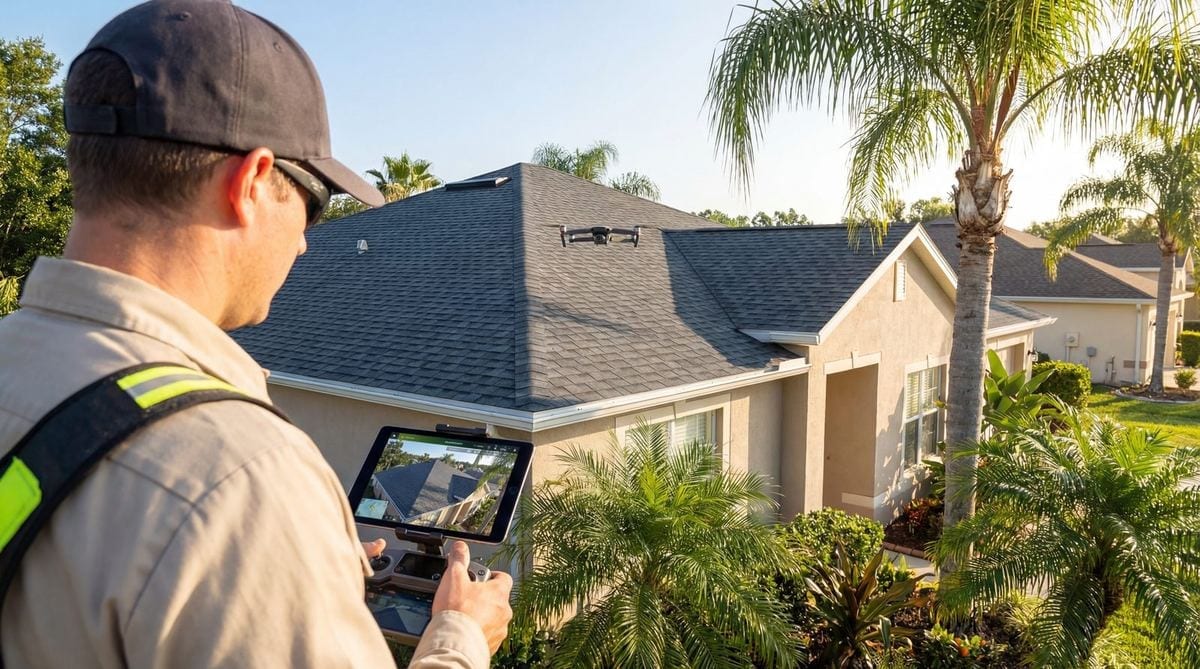
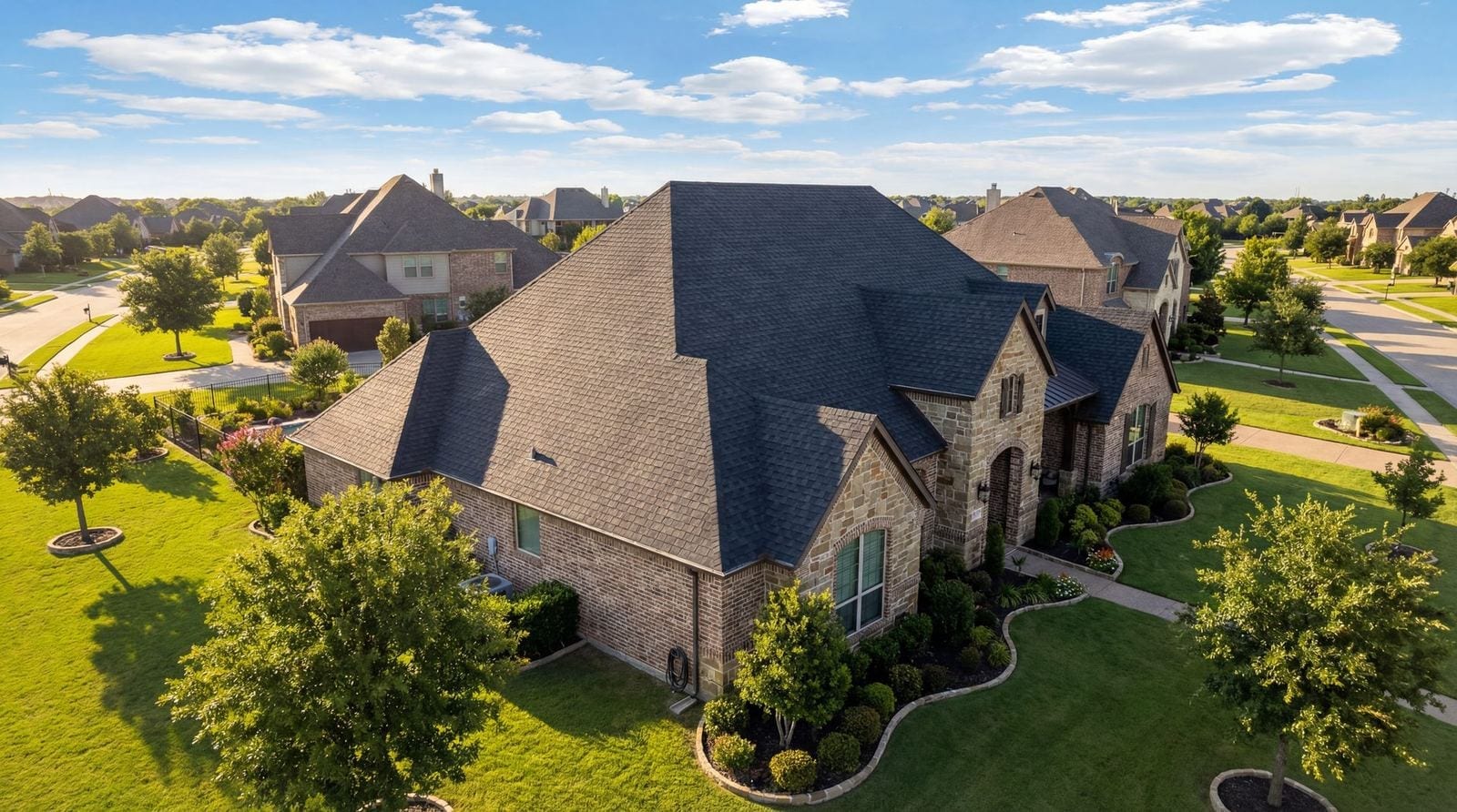
Lakeland sits in the center of Polk County, roughly 50 miles inland from both the Gulf and the Atlantic. That inland position is the single most important thing shaping our work here. Lakeland roofs see far less salt exposure than Pinellas or Manatee, and the city sits in a lower wind zone than the coast. But inland does not mean exempt. Florida Building Code still requires hurricane-rated assemblies across Polk County, and a 130 mph minimum is the baseline we spec on every Lakeland home.
The city-versus-county permit question. Lakeland is unusual in our service area because it has its own building department. Roofs inside the city limits are permitted through the City of Lakeland Building Inspection Division, while homes in unincorporated Polk County go through the county. Plenty of addresses with a Lakeland mailing address are actually in the county, and the jurisdiction determines who pulls the permit and who inspects. We confirm the correct authority for your exact address before we start, pull the permit directly, and coordinate every inspection. You never sort out which office to call.
Aging 1980s and 1990s shingle. South Lakeland exploded with suburban tract development from the early 1980s through the late 1990s. Christina, Oakbridge, and the surrounding subdivisions were nearly all built with architectural shingle, the dominant residential material of that era. Those roofs are now 20-30 years old and at the end of their expected Florida lifespan. We are replacing roofs in South Lakeland at a higher rate than almost anywhere else in Polk County, simply because an entire era of construction is aging out at the same time. If your South Lakeland home is on its original roof and was built before 2000, it is almost certainly in replacement range.
Tile underlayment failure on older and premium homes. The Spanish Colonial homes in Beacon Hill and the larger tile roofs around Lake Hollingsworth and Grasslands share a common issue. The tile itself routinely lasts 50 years or more, but the felt or synthetic underlayment beneath it typically fails at the 20-25 year mark. Most Lakeland tile failures we diagnose are really underlayment failures, and the fix is a re-underlay where we lift the existing tile, replace the felt with modern synthetic, and re-lay the original tile. That is dramatically cheaper than full tile replacement and resets the clock another 20-25 years.
Heat, UV, and afternoon storms. Inland Polk runs hot, and Lakeland sits in one of the most lightning-prone corridors in the country. The daily summer thunderstorms that roll through bring heavy rain, hail, and wind-driven debris that wears shingles faster than the numbers alone suggest. We regularly diagnose 15-17 year old Lakeland roofs that look older than their age, with granule loss, curling, and brittle aging. A reflective or cool-roof shingle upgrade extends lifespan noticeably here.
Insurance documentation, not claim handling. Florida's insurance market has tightened on roofs over 15-20 years old, and many Lakeland homeowners get replace-before-renewal letters from their carriers. After a storm, we inspect the roof, photo-document every finding on-site, and provide a detailed estimate the homeowner gives to their carrier. We can meet your adjuster on the roof so the record is thorough. We do not negotiate, file, or manage claims, and we are not public adjusters. Your insurer makes the final coverage decision, and good documentation gives Lakeland homeowners the strongest footing to present.