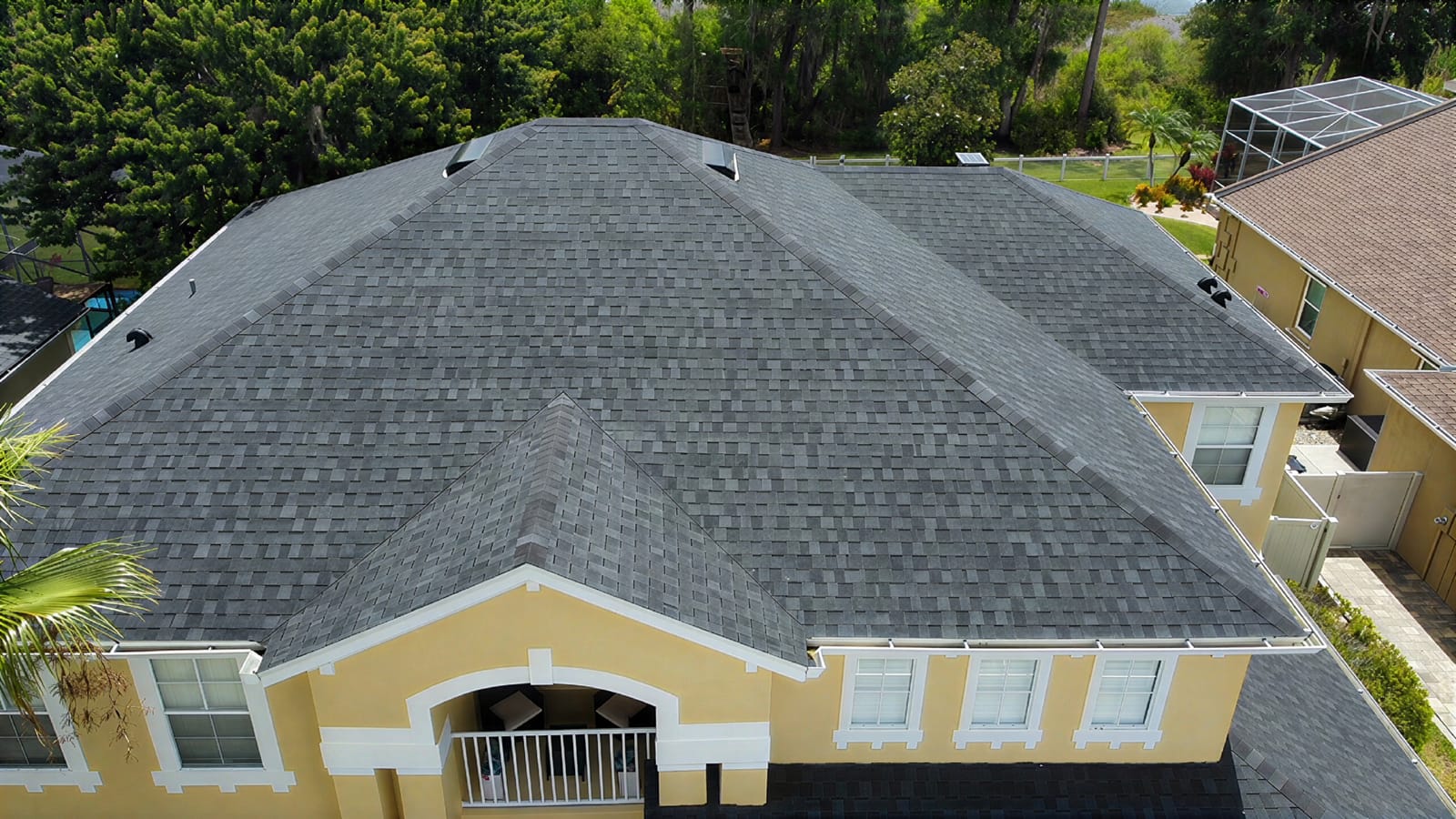
Wind Mitigation & 4-Point Inspections in Florida, Explained
A plain-English Florida guide to wind mitigation and 4-point inspections: what each covers, why carriers require them, and how a roofer documents your roof features.
- A wind mitigation inspection documents how well your roof and home are built to resist hurricane-force wind, recorded on the state Uniform Mitigation Verification form (OIR-B1-1802).
- A 4-point inspection is a condition check of four systems (roof, electrical, plumbing, HVAC) that many Florida carriers require before they will write or renew a policy on an older home.
- Both are documentation only. We inspect and record what your roof actually has. You submit the form to your insurer, and your carrier decides any discount or coverage.
- Features like roof cover type, deck attachment, roof-to-wall connections, and a secondary water barrier may qualify for a premium discount with some carriers, so always ask your insurer.
A wind mitigation inspection is a documented review of how your roof and home are built to resist hurricane-force wind. A certified inspector records features like your roof cover, deck attachment, roof-to-wall connections, and any secondary water barrier on Florida’s Uniform Mitigation Verification form (OIR-B1-1802). You then submit that form to your insurer.
If you own a home anywhere in Tampa Bay, you have probably heard your agent ask for a “wind mit” or a “4-point” before they would write or renew your policy. These are two different inspections that get confused all the time.
We are working Florida roofers, not insurance people. So here is the honest, plain-English version of what each inspection looks at, why carriers want them, and how we document your roof so you have clean paperwork to hand your insurer.
What a wind mitigation inspection actually checks
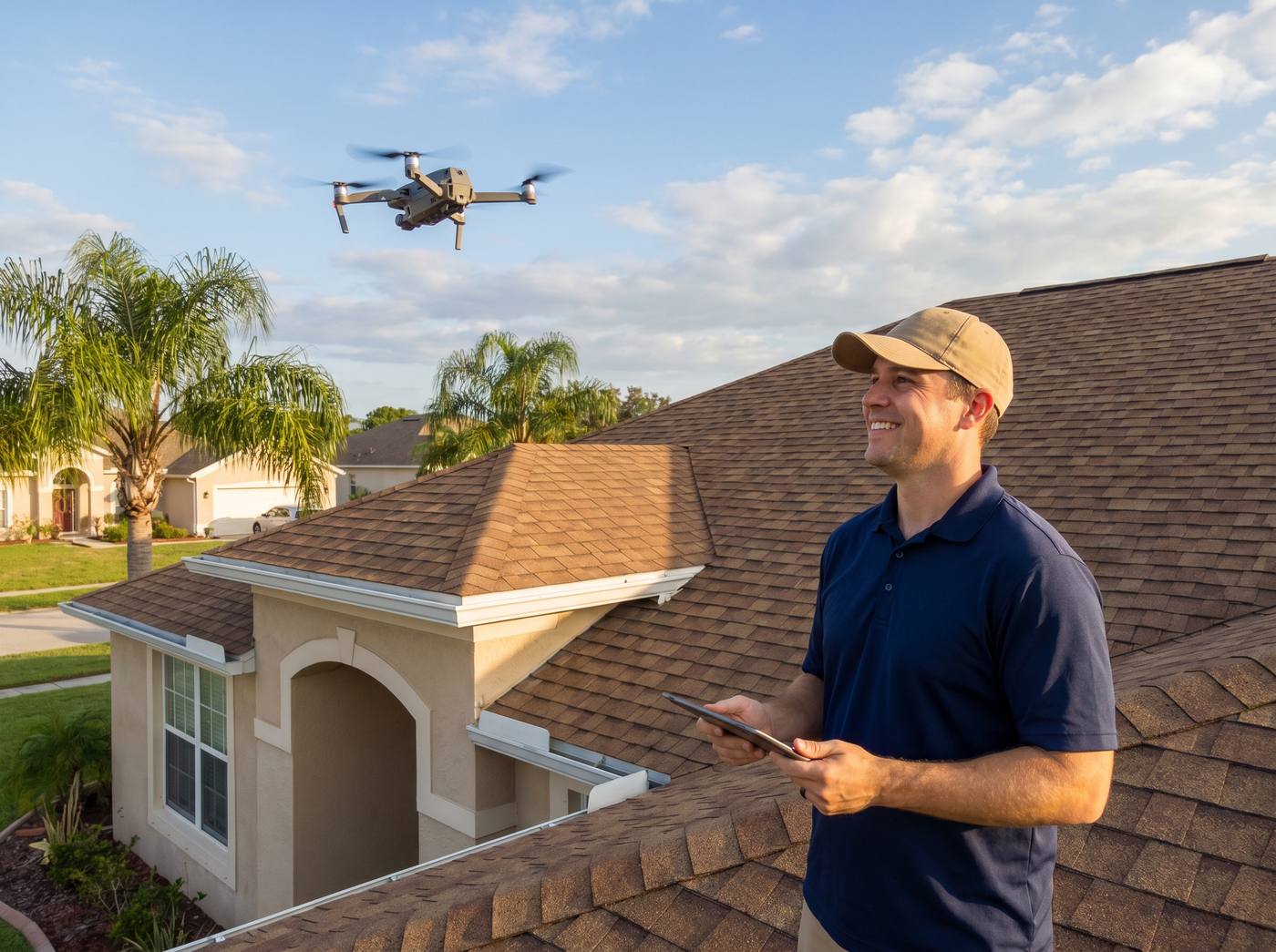
A wind mitigation inspection looks at the parts of your house that decide whether it stays buttoned up in a hurricane. The inspector walks the roof, gets into the attic where possible, and records what is really there. Findings go on the state’s Uniform Mitigation Verification Inspection Form (OIR-B1-1802), the same form every Florida carrier recognizes.
The form focuses on a handful of features:
- Roof covering and whether it meets the current Florida Building Code (FBC) or the older 1994 South Florida Building Code
- Roof deck attachment (how the plywood or board sheathing is nailed to the trusses, and what size and spacing of nails)
- Roof-to-wall connection (toe nails, clips, single wraps, or double wraps tying the roof structure to the walls)
- Roof geometry (hip roofs generally shed wind load better than gable ends)
- Secondary water resistance (a sealed barrier under the roof covering, sometimes called SWR)
- Opening protection (impact-rated windows, doors, and shutters)
That is the whole point of the inspection. It is not a pass-or-fail grade. It is a snapshot of how your specific home is built to handle Tampa Bay wind.
What a 4-point inspection covers, and how it differs
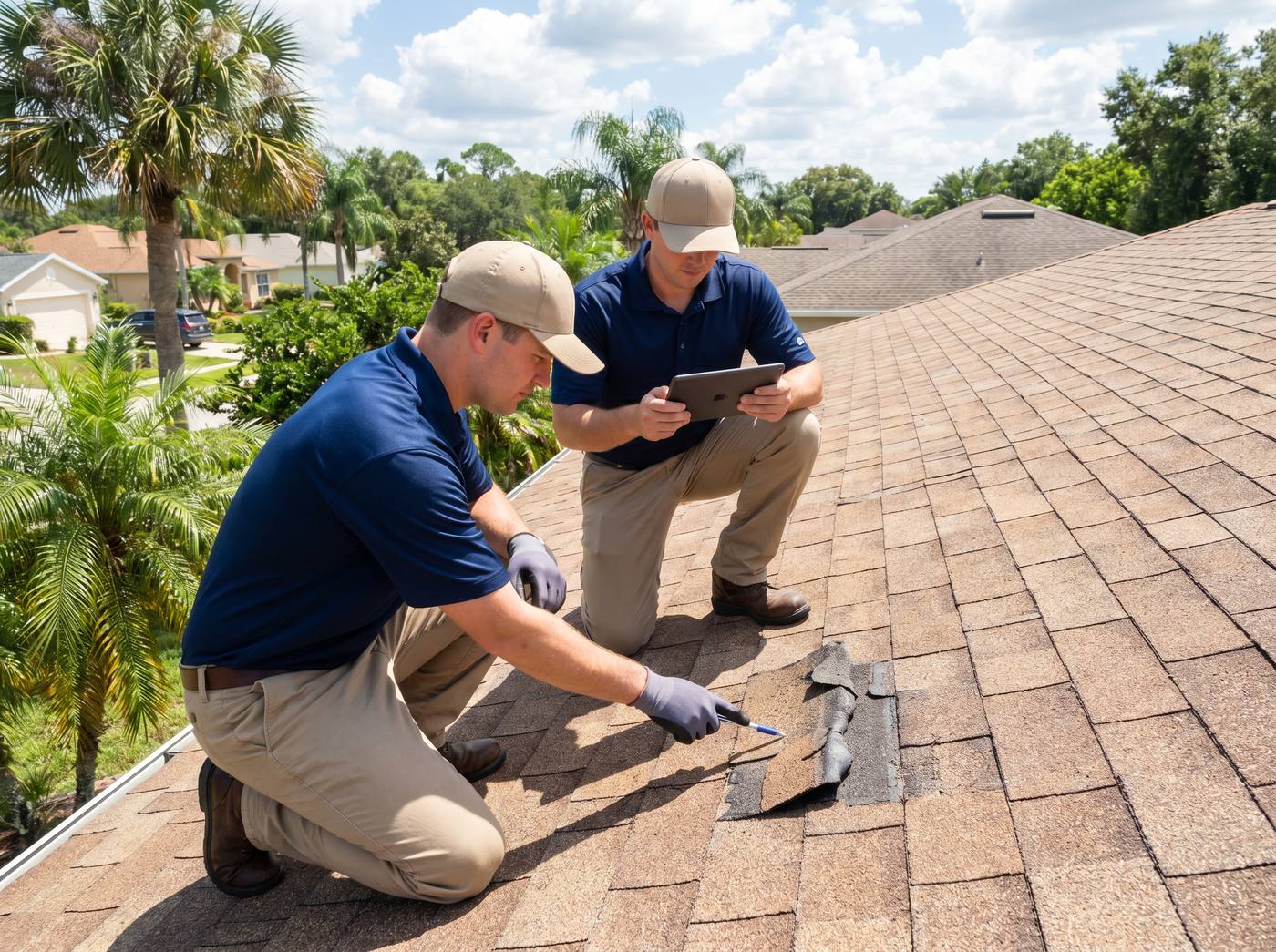
A 4-point inspection is a different animal. Instead of measuring wind resistance, it checks the condition and age of four major systems:
- Roof (covering type, age, visible condition, and remaining life)
- Electrical (panel type, wiring, any known hazards like certain old panels)
- Plumbing (supply and drain materials, water heater, any leaks)
- HVAC (heating and cooling, age, and condition)
Many Florida carriers ask for a 4-point before they will write or renew a policy on an older home, often once it passes the 20-to-30-year mark. They want to know they are not insuring a roof at the end of its life or original 1980s wiring.
Simple way to remember it: a 4-point asks “is this home in insurable condition right now?” A wind mitigation asks “how well is this home built to survive a hurricane?”
The two overlap on the roof, which is why homeowners mix them up. As roofers, the roof section is where we add the most value on both forms, but they serve different jobs for your carrier.
Why Florida carriers require these inspections
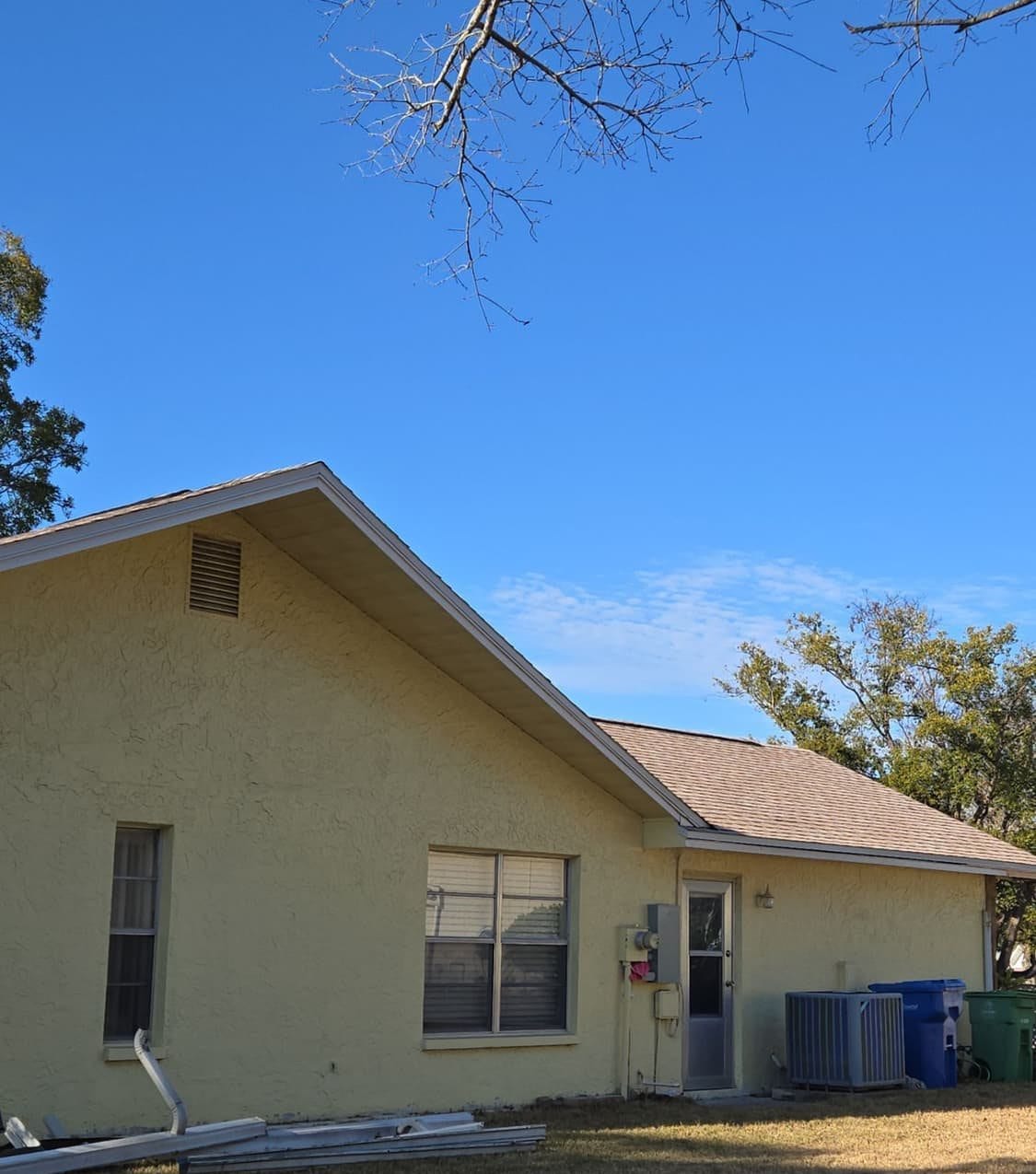
Florida is one of the toughest property-insurance markets in the country, and it comes down to wind. After major hurricane seasons, carriers tightened up on what they will insure and at what price. These two inspections are how they manage that risk.
- A 4-point tells the carrier the home is in good enough shape to insure without surprise failures.
- A wind mitigation tells the carrier how likely the home is to come through a storm intact.
Here is the part homeowners care about most. Under Florida law, insurers that write residential wind coverage must offer premium credits or discounts for certain construction and mitigation features. Documented features like a code-compliant roof cover, strong deck attachment, clipped or wrapped roof-to-wall connections, and a secondary water barrier may qualify for a premium discount with some carriers.
We want to be straight with you: every carrier weighs these features differently, and we do not set or guarantee any discount. Ask your insurer what your specific form qualifies for. Our job is to make sure the form accurately reflects what your roof actually has, so nothing gets left on the table by accident.
The roof features that matter most on the form
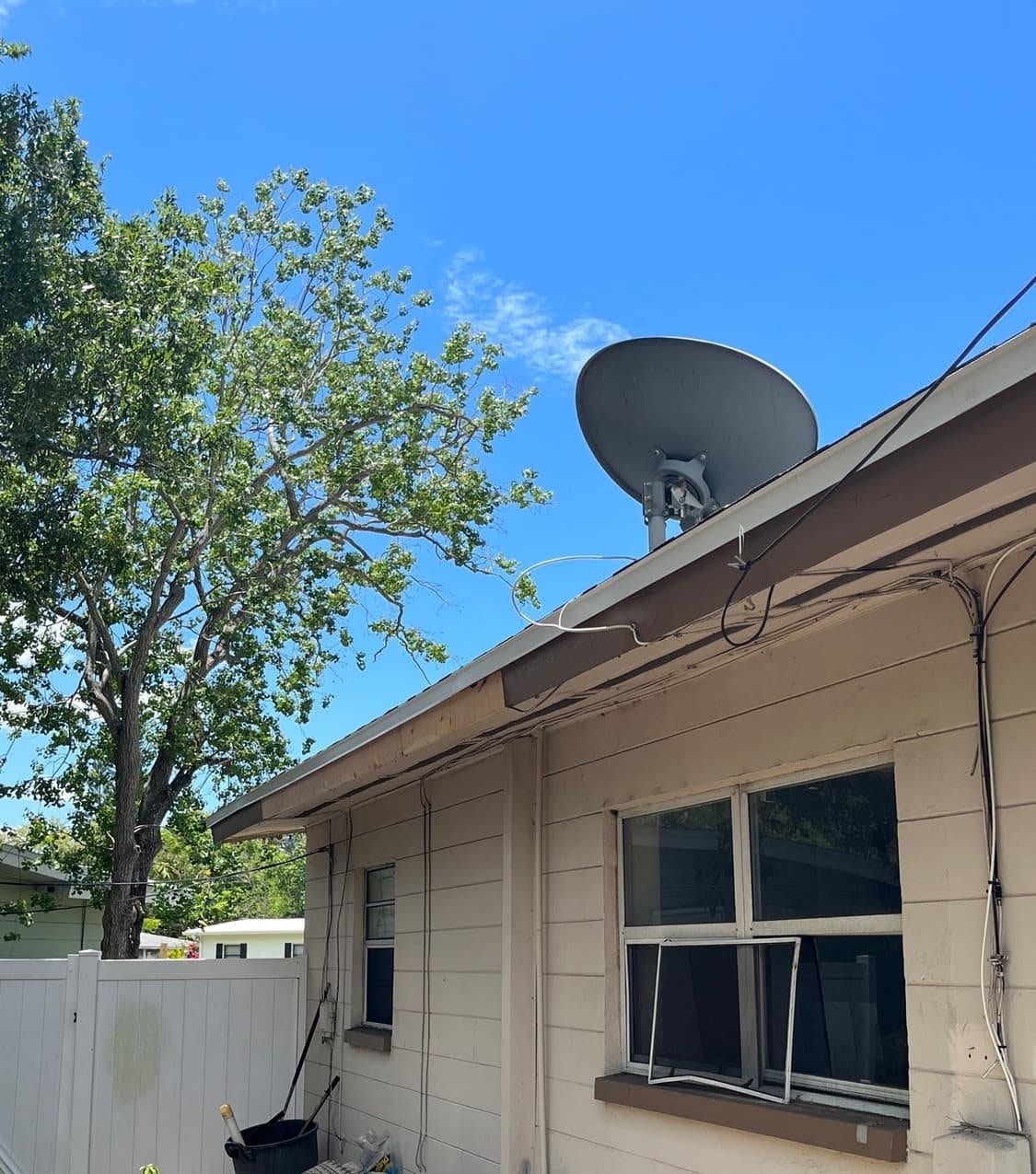
Four roof-related items drive most of the wind mitigation conversation. Knowing what they are helps you read your own form.
Roof covering. The inspector documents your roof type (shingle, tile, metal) and whether it meets current FBC product-approval standards. A newer, code-compliant roof generally documents better than an aged one with no paperwork.
Roof deck attachment. This is how your roof sheathing is fastened to the framing. The strongest rating is typically larger nails (8d) at tight spacing into the trusses, versus older staples or short, widely spaced nails. We confirm this from inside the attic when it is safe to access.
Roof-to-wall connection. This is how the roof structure is tied to the walls. From weakest to strongest, the form recognizes toe nails, clips, single wraps, and double wraps (hurricane straps). Better connections generally document better.
Secondary water resistance (SWR). This is a sealed barrier, such as a self-adhering underlayment or foam, applied to the roof deck under the covering. If your roof has it, it goes on the form, and it is one feature that some carriers weigh favorably.
When we replace a roof in Tampa Bay, we install to current Florida Building Code by default. That often means the new roof documents stronger across several of these categories. We are describing how the inspection works, not promising any specific savings.
How a roofer documents your roof for the inspection
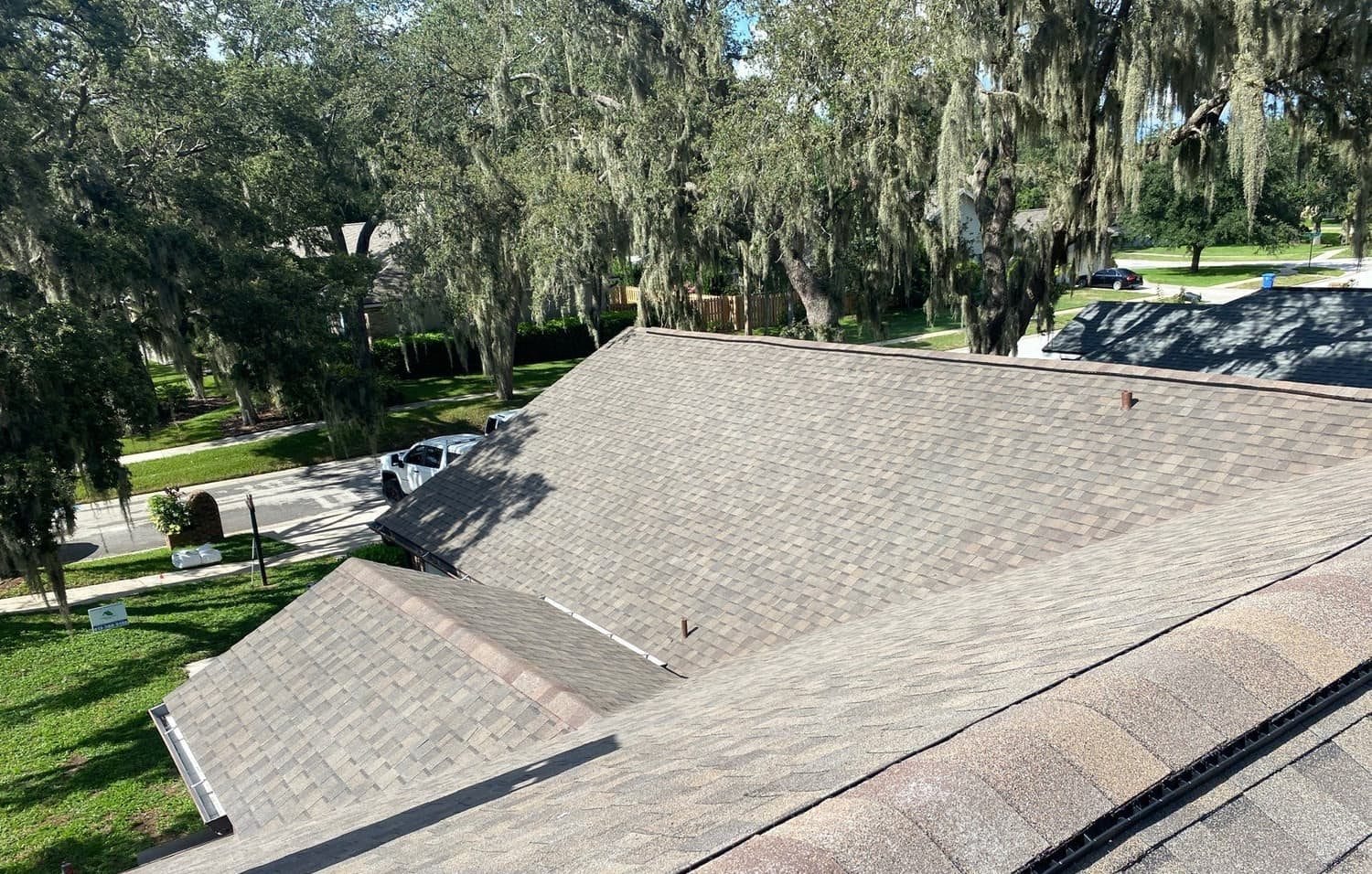
Here is what good documentation looks like from our side, because the form is only as accurate as the evidence behind it.
- On-site verification. During a free roof inspection, we physically check the roof and, where access allows, the attic. We do not guess. If we cannot verify a feature, it gets marked as unknown rather than assumed, which is what the form requires.
- Photo documentation. Florida’s process expects clear photos of each rated feature: roof covering, deck nailing pattern, roof-to-wall connections, and any visible secondary water barrier. We capture date-stamped images so the file stands on its own.
- Measurements and details. Nail size and spacing, connection type, roof geometry, and covering product info all get recorded accurately.
- A clean, complete file. We hand you organized photos and details that line up with the official form.
One important note on who does what. The OIR-B1-1802 form must be completed and signed by an authorized inspector type defined by the state (such as a licensed general, building, or residential contractor, a professional engineer, a registered architect, a licensed home inspector, or an approved building inspector). What we do for you is the roof-side documentation and, where we qualify, the inspection itself.
And to be crystal clear about the boundary: we provide documentation and photos only. We do not file, negotiate, or settle anything with your insurance company, and we are not public adjusters. You submit the form to your carrier, and your carrier makes every coverage and pricing decision.
Wind mitigation and 4-point inspections are not red tape for the sake of it. In a wind-driven market like Florida, they are how your carrier understands your home, and how the strengths of a well-built roof get put in writing.
Our role is simple and honest. We document your roof accurately, with clear photos and real measurements, so the paperwork reflects what your home actually has. That insurance documentation support is where we add value. Whether any of that turns into a premium credit is between you and your insurer, so always ask them directly.
If you are in Hillsborough, Pinellas, Pasco, Sarasota, Manatee, or Polk and want your roof inspected and documented the right way, reach out to The Integrity Roofing Team. We are a licensed (CCC1334243), family-run Tampa Bay roofer, and we will give you the straight story on your roof. Office hours are Monday through Friday 9 to 7 and Saturday 9 to 2.
Frequently Asked Questions
What is the difference between a wind mitigation inspection and a 4-point inspection?+
A wind mitigation inspection documents how well your home is built to resist hurricane wind (roof cover, deck attachment, roof-to-wall connections, secondary water barrier) on Florida's Uniform Mitigation form OIR-B1-1802. A 4-point inspection is a condition check of four systems: roof, electrical, plumbing, and HVAC. One measures storm resistance, the other measures insurable condition.
Will a wind mitigation inspection lower my insurance premium?+
It might. Certain documented features, like a code-compliant roof cover, strong deck attachment, clipped or wrapped roof-to-wall connections, and a secondary water barrier, may qualify for a premium discount with some carriers. Every insurer weighs these differently, so ask your insurer what your specific form qualifies for. We document your roof accurately, but we do not set or guarantee any discount.
How long is a Florida wind mitigation inspection good for?+
In Florida, a wind mitigation inspection on the OIR-B1-1802 form is generally accepted by carriers for up to five years from the inspection date, as long as the home has not changed in a way that affects the rated features. After that, or after a roof replacement, you would typically need a new inspection. Confirm the exact timeframe with your insurer.
Do I need a 4-point inspection on my Tampa Bay home?+
Many Florida carriers require a 4-point inspection before they will write or renew a policy on an older home, often once it reaches roughly 20 to 30 years old. Whether yours is required depends on your carrier and your home's age, so check with your insurance agent.
Does Integrity Roofing handle my insurance claim or talk to my carrier?+
No. We provide inspection documentation, photos, and measurements only. We do not file, negotiate, or settle claims, and we are not public adjusters. You submit the form and documentation to your insurer, and your carrier makes all coverage and pricing decisions.
Does a new roof document better on a wind mitigation form?+
Often, yes. When we replace a roof in Tampa Bay, we install to current Florida Building Code, which can mean stronger ratings across categories like roof covering and deck attachment, and may include a secondary water barrier. We are describing how the inspection works, not promising specific savings. Ask your insurer how your updated form is treated.
Want a real estimate on your Tampa Bay roof?
Enter your address and we'll pull satellite measurements instantly.
The Integrity Roofing Team · Florida Roofing Experts · Licensed & Insured
The Integrity Roofing of Florida team installs and repairs tile, metal, and shingle roofs across Tampa Bay. With decades of combined field experience, we've helped homeowners navigate hurricane-damage documentation, material choices, and the gap between what's marketed and what actually holds up in Florida conditions. Every post is written by working Florida roofers, not content writers.
Ready to talk to a real human?
No phone tree, no pressure. Owner-level attention on every call.