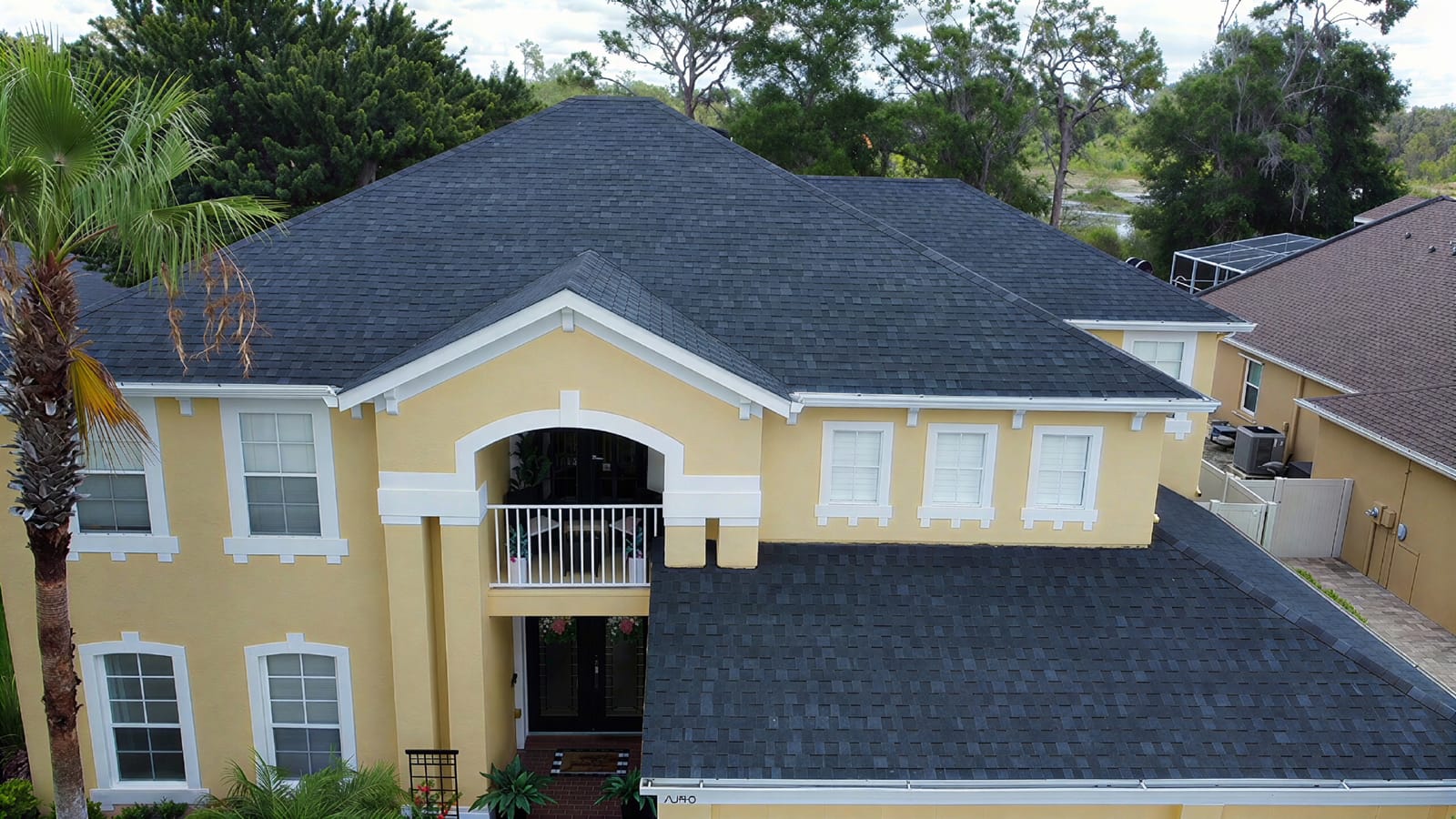
3-Tab vs Architectural Shingles: Which Is Right for a Florida Roof?
A working Florida roofer's plain-English comparison of 3-tab vs architectural shingles. Wind ratings, lifespan, cost, and why most Tampa Bay homes choose architectural.
- For almost every Florida home, architectural shingles are the right call. They handle higher wind, last longer in the heat, and meet Florida Building Code requirements that older 3-tab products often cannot.
- 3-tab tops out around 60-70 mph wind resistance on many older products, while architectural shingles commonly carry 110-130 mph ratings. That difference matters a lot in hurricane country.
- Architectural shingles cost more upfront (roughly $1-$2 more per square foot) but typically last 5-8 years longer in Florida sun, so the cost per year is usually similar or better.
- An impact-rated, code-compliant roof may qualify for a wind-mitigation premium discount with some carriers. Ask your insurer. We will document the install so you have the paperwork to submit.
For a Florida home, architectural shingles are almost always the right choice over 3-tab. Architectural (also called dimensional) shingles handle higher wind, last longer in our heat and humidity, and meet Florida Building Code wind requirements that many older 3-tab products no longer pass. 3-tab still has a place, but in hurricane country it is rarely the smart pick.
We are a licensed, family-run roofing company working across Tampa Bay every week, and this question comes up on nearly every estimate. So here is the honest, plain-English breakdown.
Both are asphalt shingles, so the comparison is not about a totally different material. It comes down to how each one is built, how each holds up to wind and UV, what each costs over its real Florida lifespan, and what your insurance carrier and the building code will accept. Either way, shingle roofing is still the most common roof we install across Tampa Bay, so getting the shingle choice right matters.
The Basic Difference: How 3-Tab and Architectural Shingles Are Built
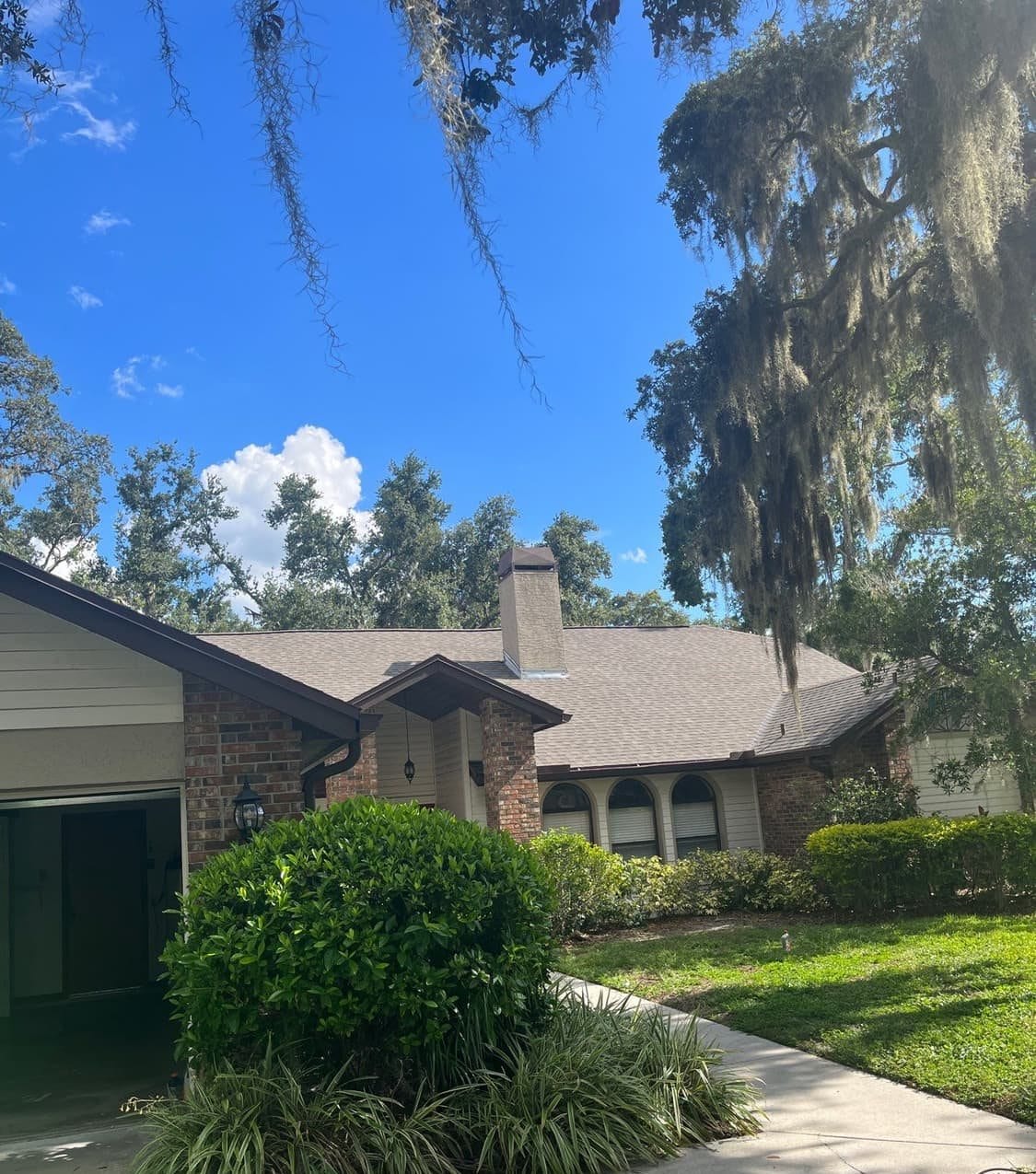
Both are asphalt shingles, but they are built differently, and that construction is what drives every performance difference down the line.
3-tab shingles are a single, flat layer of asphalt cut into three uniform tabs. They are thin, lightweight, and lie completely flat on the roof. Every shingle looks identical, which gives older roofs that uniform, slightly dated grid pattern. They were the standard for decades because they are cheap and fast to install.
Architectural shingles (you will also hear them called dimensional or laminated shingles) are built from two or more layers of asphalt bonded together. That extra layer does two things. It adds physical mass and a stronger bond, which is what improves wind resistance, and it creates a varied, textured look that mimics wood shake or slate.
Here is the short version we give homeowners on the driveway:
- 3-tab: one thin layer, flat look, lightest weight, lowest cost, shortest life
- Architectural: two-plus bonded layers, textured look, heavier, higher cost, longer life and better wind performance
That single design difference, one layer versus laminated layers, is the reason architectural shingles win almost every category that matters in Florida.
Wind Ratings: The Number That Matters Most in Florida
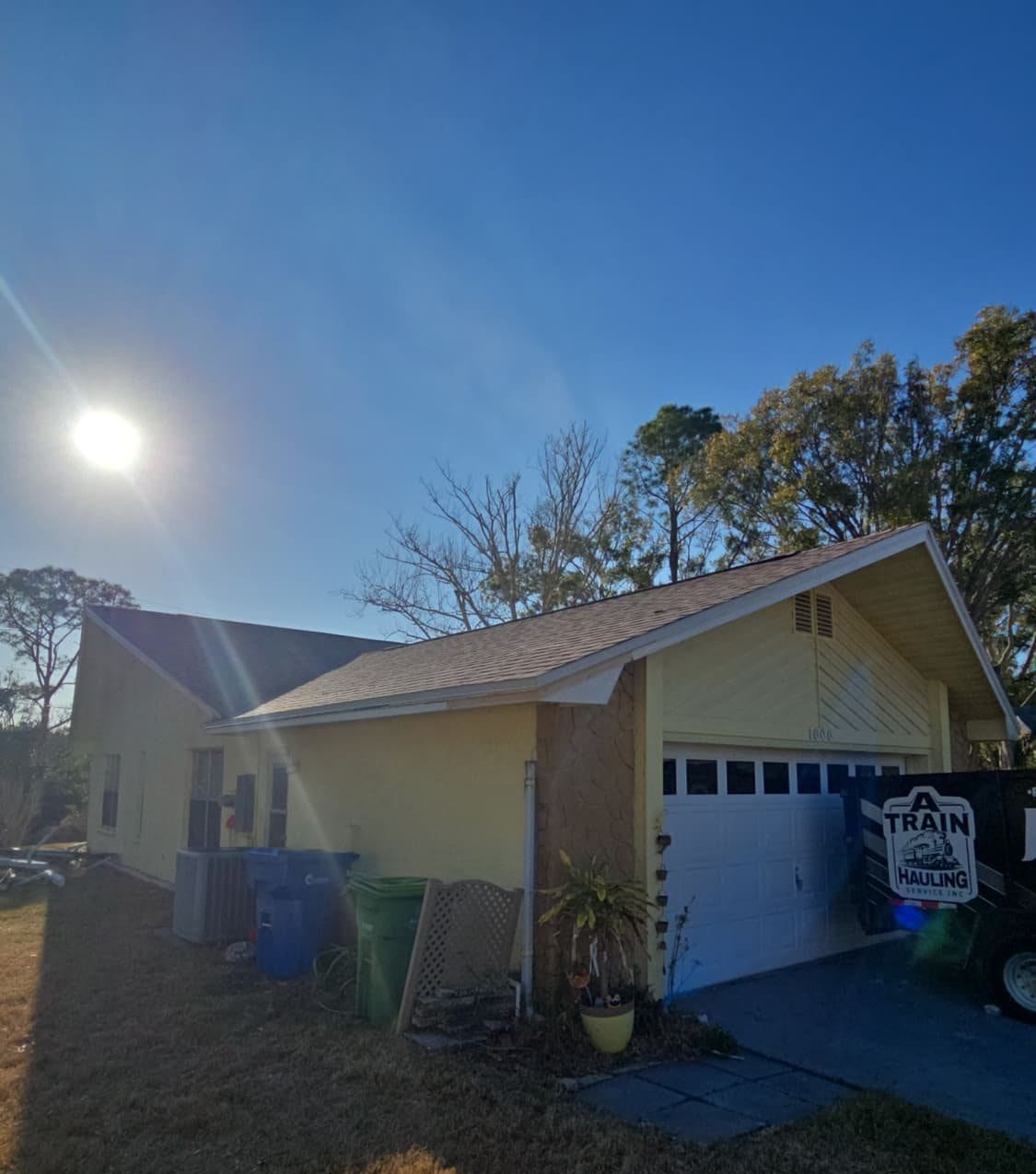
If you only compare one spec, compare wind rating. We live in hurricane country, and wind uplift is what tears roofs off houses.
Many older 3-tab products carry wind ratings in the 60 to 70 mph range, with some newer 3-tab lines reaching higher under specific install conditions. Architectural shingles commonly carry wind ratings of 110 to 130 mph, and premium impact-rated lines go higher. According to the Insurance Institute for Business and Home Safety (IBHS), the extra laminated layer and stronger sealant strips on architectural shingles are exactly what help them resist the uplift forces that peel 3-tab shingles off the deck in a storm.
This is not just a marketing number. Florida sits in some of the highest design-wind-speed zones in the country. The Florida Building Code and ASCE 7 wind maps put much of Tampa Bay in the 130 to 150 mph design range, and coastal Pinellas and the barrier islands run higher. Your roof covering has to be rated for the wind zone your home sits in, which is exactly why a code-rated roof replacement in Tampa almost always specs architectural shingles over 3-tab.
A roof is only as strong as its weakest fastened layer. In a named storm, that thin single-layer 3-tab is usually the first thing to go.
This matters for hurricane prep across Hillsborough, Pinellas, Pasco, Sarasota, Manatee, and Polk counties, where every roof we inspect has to stand up to the same wind exposure.
Florida Building Code: Why 3-Tab Often Will Not Pass
This is the part a lot of national “3 tab vs architectural shingles” articles get wrong, because they are not written for Florida.
In Florida, your roof covering has to carry a Florida Product Approval or Miami-Dade Notice of Acceptance (NOA) that proves it meets the wind-uplift requirements for your zone. The Florida Building Code drives this, and the High-Velocity Hurricane Zone (HVHZ) rules in South Florida are even stricter.
What that means in practice across Tampa Bay:
- In many of our coastal and high-wind zones, standard 3-tab shingles simply do not carry a high enough wind rating to be approved for a new roof.
- Architectural shingles from the major manufacturers (GAF, Owens Corning, CertainTeed) carry Florida Product Approvals across most of the state.
- Even where 3-tab is technically still legal, a permit-and-inspection process is going to scrutinize the product approval for your specific address.
So for a lot of Florida homeowners, the choice is already made by code before it is made by preference. We pull the product approval for your exact wind zone as part of every quote, so you are never guessing whether a shingle will pass inspection.
Lifespan and Cost: What Each Really Runs in Tampa Bay
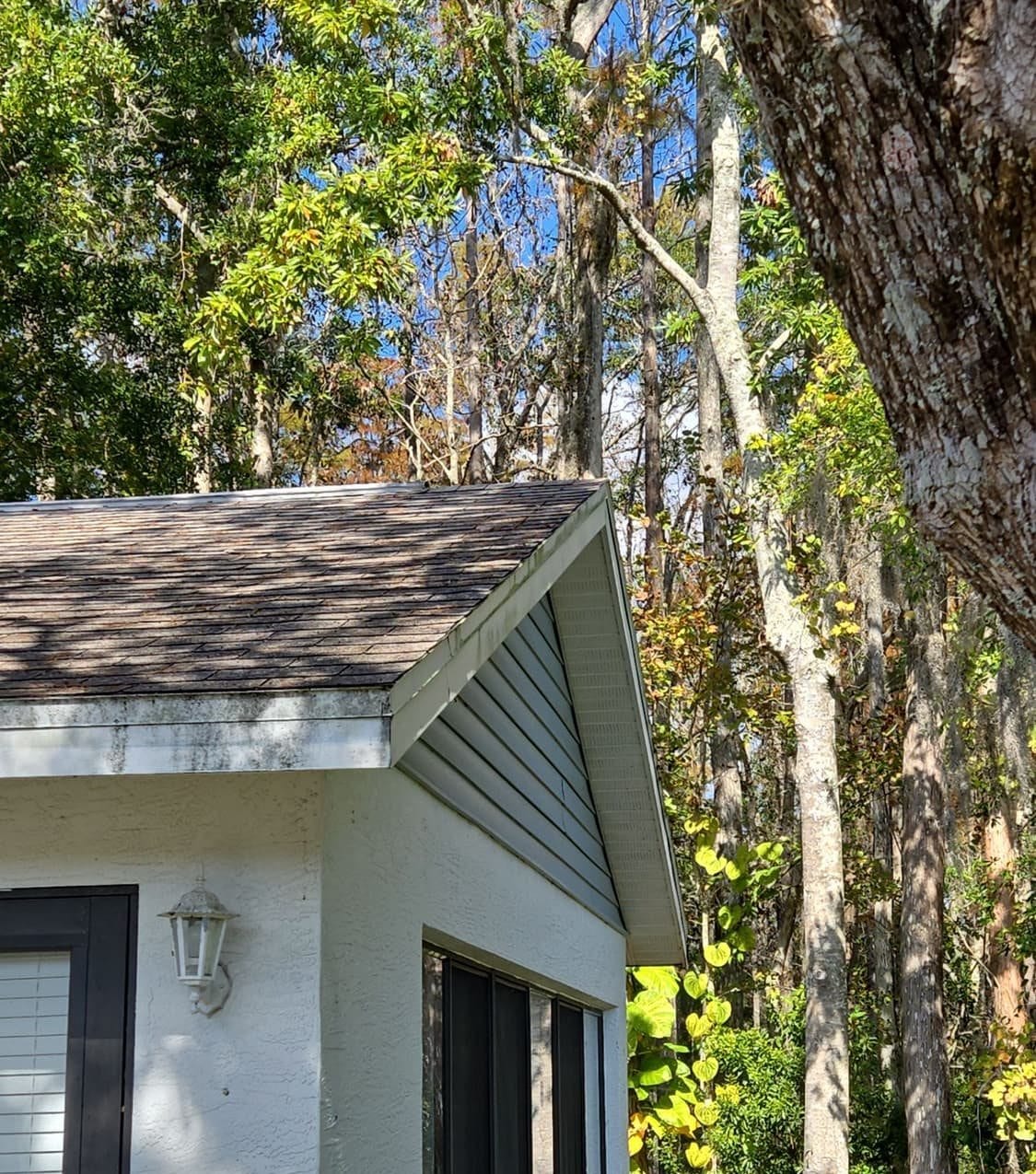
Florida sun is brutal on asphalt. UV, heat, humidity, and thermal cycling break shingles down faster here than almost anywhere in the country, so the national lifespan numbers do not apply.
Here is what we actually see on Tampa Bay roofs:
| Factor | 3-Tab Shingles | Architectural Shingles |
|---|---|---|
| Construction | Single flat layer | Two-plus bonded layers |
| Wind rating (typical) | 60-70 mph (many older lines) | 110-130 mph |
| Realistic Florida lifespan | 12-15 years | 18-22 years |
| Installed cost (per sq ft) | ~$3.50-$5.50 | ~$4.50-$8 |
| Look | Flat, uniform grid | Textured, dimensional |
| Florida code approval | Limited / often fails | Widely approved |
Notice the cost gap is smaller than people expect, usually about $1 to $2 more per square foot for architectural. But architectural shingles typically last 5 to 8 years longer in our climate. When you divide the price by the years of service you actually get, the cost per year often comes out similar, and sometimes architectural is the cheaper roof over time once you factor in not replacing it as soon.
The most expensive roof in Florida is the one you have to install twice. Saving a little upfront on 3-tab can cost you more on the back end when it wears out early or fails in a storm, and a premature full roof replacement is far more expensive than spending a little more on the right shingle the first time.
Curb Appeal, Resale, and Insurance Considerations
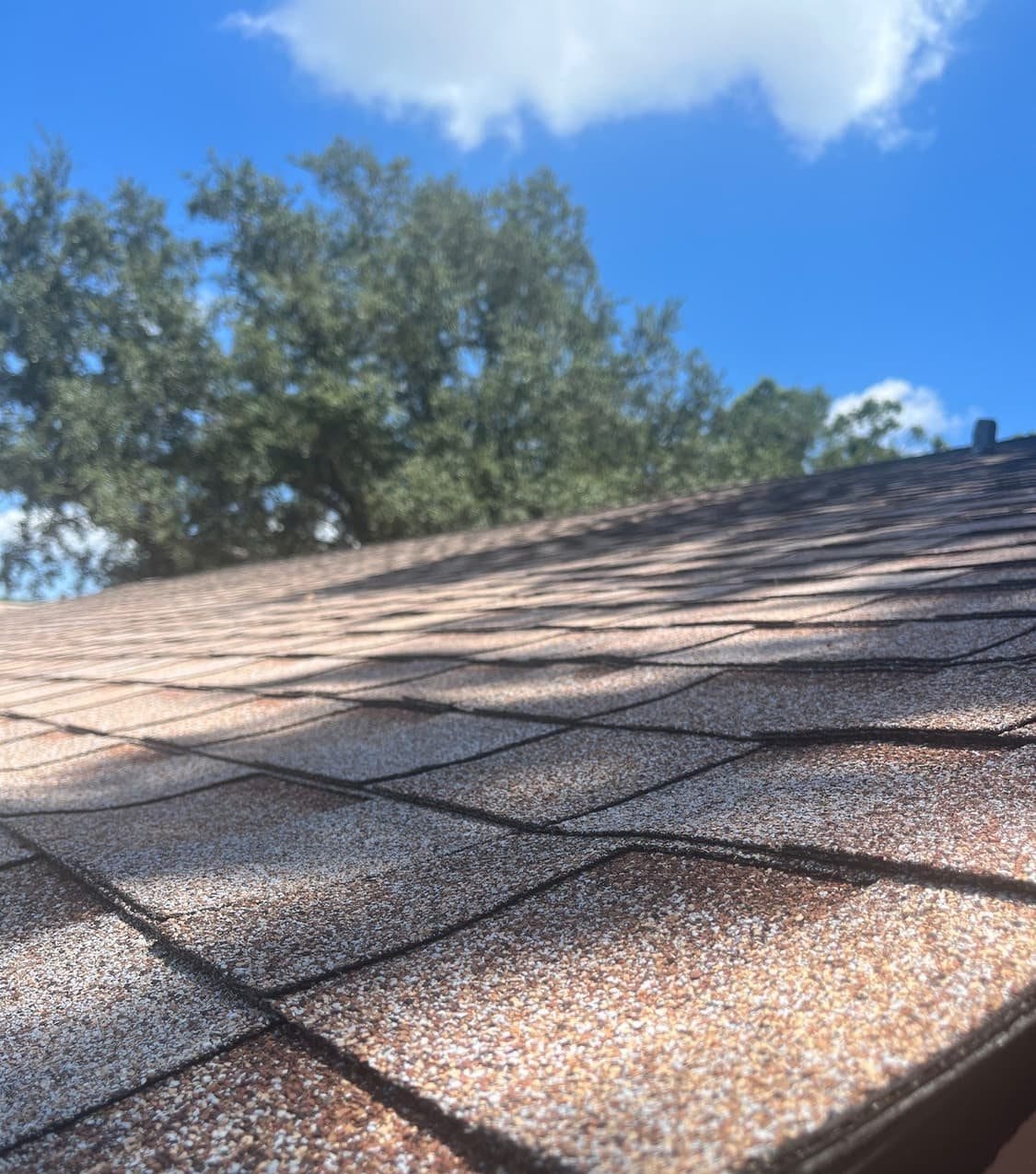
Beyond the engineering, two practical factors push Florida homeowners toward architectural.
Curb appeal and resale. The flat, uniform look of 3-tab reads as dated to most buyers, and home inspectors and appraisers often flag an aging 3-tab roof. Architectural shingles give a richer, dimensional look that holds up better at resale. In a competitive Tampa Bay market, a newer architectural roof is a selling point.
Insurance. This is where we have to be careful and honest with you. Florida’s insurance market is tight, and carriers look closely at roofs. A newer, code-compliant, impact-rated architectural roof may qualify for a wind-mitigation premium discount with some carriers, so ask your insurer directly. Discounts in Florida are typically documented on the state’s standardized wind-mitigation inspection form (OIR-B1-1802), which credits things like roof covering rating, roof deck attachment, and roof-to-wall connections.
To be clear about what we do and do not do: we do not negotiate, file, handle, or maximize insurance claims, and we are not public adjusters. What we do is install to code and document your roof properly, including the product approvals and the details a wind-mitigation inspector looks for, so you have clean paperwork to bring to your own insurance company. Whether a discount applies, and how much, is entirely between you and your carrier.
So Which Should You Put on Your Florida Roof?
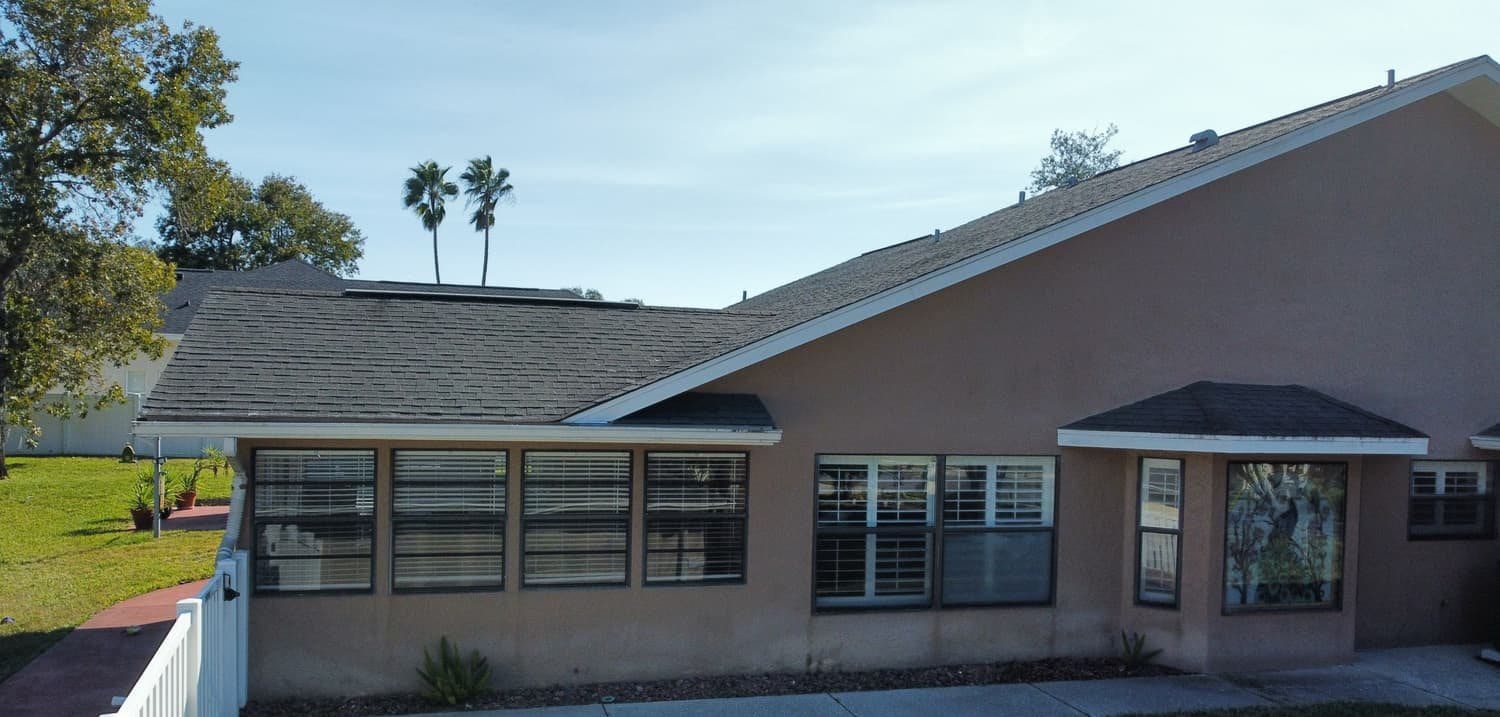
After years of installing both across Tampa Bay, here is the honest recommendation we give homeowners.
Choose architectural shingles if: you want the right roof for almost any Florida home. They handle higher wind, last longer in the heat, meet code in nearly every zone, look better, and hold value at resale. For the large majority of our customers, this is the answer.
3-tab might make sense if: you have a very tight, short-term budget on a detached structure (a shed, a simple garage), a low-wind-exposure situation where code allows it, or a temporary patch on a building you plan to tear down or replace soon. Those are narrow cases.
For your primary home in Florida, go architectural. The wind rating alone justifies it in hurricane country, and the cost difference is smaller than most people expect once you account for how long each actually lasts here.
A few quick rules of thumb we share on every estimate:
- If your home sits coastal or exposed (no tree canopy, near the Gulf), do not even consider 3-tab. Look at architectural or a premium upgrade like metal or tile.
- If you plan to stay 7-plus years, the longer architectural lifespan pays you back.
- Always confirm the specific product carries a Florida Product Approval for your wind zone. We handle that verification for you.
Here is the bottom line from a working Florida roofer. For almost every home in Tampa Bay, architectural shingles beat 3-tab on the things that actually matter here: wind resistance, lifespan in the heat, code approval, looks, and resale. 3-tab is cheaper upfront, but in hurricane country that savings rarely holds up over the life of the roof.
If you want a straight answer for your specific home, we are happy to give it. Every estimate from Integrity Roofing of Florida includes an honest material recommendation, the Florida Product Approval that matches your wind zone, and clean documentation for your records. Sometimes the honest answer is that your current roof has years left, and if that is the case, we will tell you that too.
Ready to talk it through? Start with our free instant estimate, or call us at (813) 388-9190. Our office hours are Monday through Friday 9 to 7 and Saturday 9 to 2. We will give you a straight read on your roof and the right shingle for your Florida home.
Frequently Asked Questions
Are architectural shingles worth the extra cost in Florida?+
For almost every Florida home, yes. Architectural shingles cost roughly $1 to $2 more per square foot than 3-tab, but they typically last 5 to 8 years longer in our heat and carry much higher wind ratings (commonly 110-130 mph versus 60-70 mph for many older 3-tab products). When you divide cost by the years of service you actually get, architectural is usually a similar or better value, and it is far more likely to survive a hurricane.
Can I still install 3-tab shingles in Florida?+
Sometimes, but often not. Florida requires your roof covering to carry a Florida Product Approval or Miami-Dade NOA proving it meets the wind-uplift requirements for your zone. In many Tampa Bay coastal and high-wind areas, standard 3-tab does not carry a high enough rating to be approved for a new roof. Even where it is technically legal, the permit and inspection process will scrutinize the product approval. We verify this for your exact address before quoting.
What is the wind rating difference between 3-tab and architectural shingles?+
Many older 3-tab products are rated around 60 to 70 mph, while architectural shingles commonly carry 110 to 130 mph ratings, with premium impact-rated lines going higher. That gap comes from the laminated, multi-layer construction and stronger sealant strips on architectural shingles. In a state with design wind speeds of 130 mph and up, that difference is a major reason architectural is the standard here.
How long do architectural shingles last in Florida heat?+
Realistically, 18 to 22 years in the Tampa Bay climate. That is shorter than the 25 to 30 years manufacturers advertise nationally, because Florida's UV, heat, humidity, and storm exposure age asphalt faster. By comparison, 3-tab shingles usually last about 12 to 15 years here. Both are shorter than premium materials like metal or tile, which can run 40 years and beyond.
Will an architectural shingle roof lower my insurance premium?+
It may qualify for a wind-mitigation premium discount with some carriers, so ask your insurer directly. Florida documents these credits on the state's standardized wind-mitigation inspection form, which looks at roof covering rating, deck attachment, and roof-to-wall connections. We install to code and document your roof properly, including the product approvals, so you have clean paperwork to submit. We do not file, negotiate, or handle claims, and we are not public adjusters. Whether a discount applies is between you and your carrier.
Which shingle looks better, 3-tab or architectural?+
Most homeowners prefer the look of architectural shingles. 3-tab is flat and uniform, which reads as dated and tends to get flagged by home inspectors and appraisers as it ages. Architectural shingles have a textured, dimensional appearance that mimics wood shake or slate, which holds up better for curb appeal and resale value in the Tampa Bay market.
Want a real estimate on your Tampa Bay roof?
Enter your address and we'll pull satellite measurements instantly.
The Integrity Roofing Team · Florida Roofing Experts · Licensed & Insured
The Integrity Roofing of Florida team installs and repairs tile, metal, and shingle roofs across Tampa Bay. With decades of combined field experience, we've helped homeowners navigate hurricane-damage documentation, material choices, and the gap between what's marketed and what actually holds up in Florida conditions. Every post is written by working Florida roofers, not content writers.
Ready to talk to a real human?
No phone tree, no pressure. Owner-level attention on every call.